Reviewing the Easter Baby Chick Crayon Holder Card Svg
As a designer who spends half my life digitizing files and the other half stitching them out, I have learned that not every cute graphic translates well to thread. We often browse marketplaces looking for the perfect machine embroidery design, tempted by bright previews and holiday themes. Recently, I took a closer look at the Easter Baby Chick Crayon Holder Card Svg. While the product description highlights its utility as a printable and cuttable card for Cricut or Silhouette users, my interest lies in how this graphic performs when adapted for real-world embroidery projects. For crafters and small business owners, understanding the gap between a digital vector and a stitched finish is crucial for maintaining quality and customer satisfaction.
First Impressions: Mood and Visual Personality
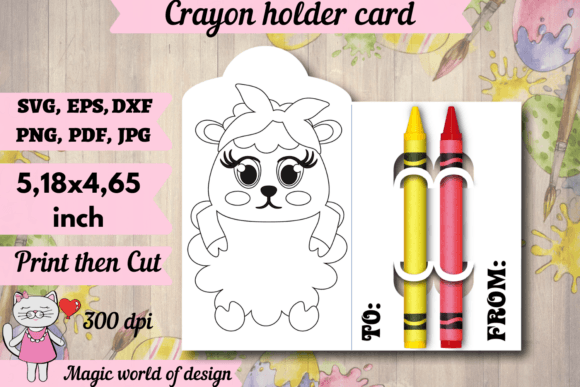
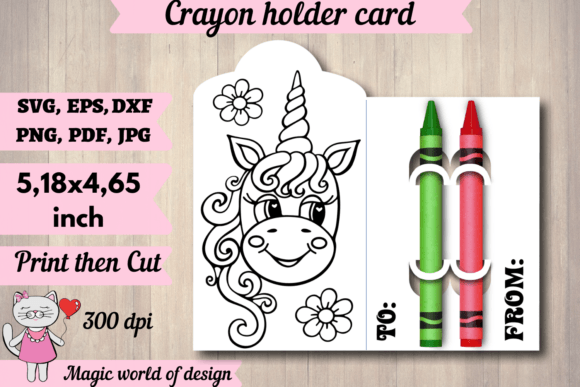
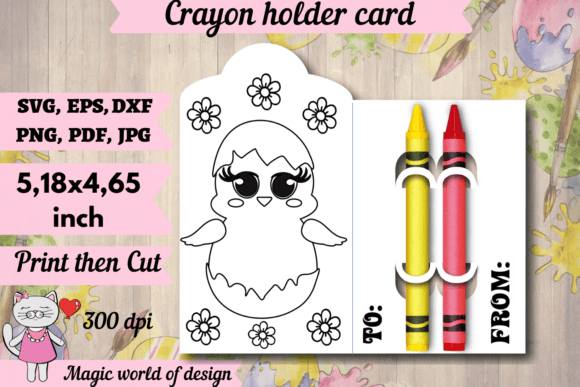
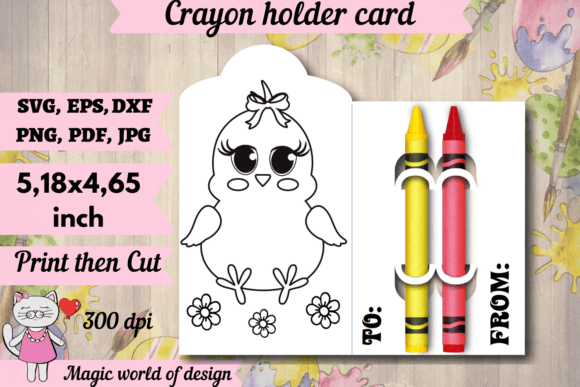
The first thing that strikes me about this design is its inherent playfulness. The layout, measuring approximately 5.18 by 4.65 inches, suggests a compact, self-contained motif. In the context of Crafts and Graphics, this size is versatile. It is large enough to be a focal point on a tote bag but small enough to fit comfortably on a baby’s bib or a pocket square. The theme evokes immediate nostalgia and springtime joy, which is exactly what customers look for in seasonal items. However, from a technical standpoint, a "crayon holder" concept implies linear elements and potentially tight spacing. When I visualize this as an embroidery file, I immediately think about stitch direction and density. A design that looks crisp on paper can sometimes become a tangled mess of thread if the details are too fine for the needle to penetrate cleanly.
Real-World Application: From Digital File to Finished Product
Let us consider a practical scenario. Imagine you are preparing a custom order for a local boutique that specializes in children’s spring apparel. They want a line of sweatshirt embroidery pieces featuring Easter motifs. You select the Easter Baby Chick Crayon Holder Card Svg because of its charming aesthetic. Before loading it into your machine, you must assess how the shapes will translate. The chick’s features, likely rounded and soft, would benefit from smooth fill stitch patterns to create a plush, inviting texture. However, any text or thin lines representing crayons might require a careful balance of satin stitch width and running stitch underlay to prevent puckering.
This design could also shine as an applique design. If the original graphic includes distinct color blocks, converting it to applique can reduce stitch count and production time, making it more viable for high-volume commercial embroidery runs. For a tote bag design, using fabric patches for the chick’s body and only stitching the outlines can add dimension while keeping the fabric flexible. This approach is particularly effective for items that need to be durable and washable, such as school bags or library totes.
Navigating Technical Challenges and Fabric Constraints
While the visual appeal is strong, there are areas where caution is necessary. Embroidery designers know that stitch density can make or break a project. If this graphic has intricate details or small lettering, it may not hold up well on textured fabrics like terry cloth or waffle weave. The loops in the fabric can obscure fine lines, causing the design to lose clarity. Similarly, on stretchy materials like jersey knits used in baby embroidery projects, insufficient stabilization can lead to distortion. The 5-inch width is manageable for standard hoops, but if you are working on curved surfaces like caps, you must ensure the design does not span too wide, which could cause wrapping issues.
Another consideration is the background. On dark fabrics, light-colored threads may require a denser underlay to prevent the fabric from showing through. Conversely, on thin fabrics, high-density stitching can cause stiffness or tearing. I always recommend testing the design on scrap fabric first. Check the thread colors for contrast and ensure that the transition between different elements of the chick and the crayons is smooth. If the design includes tiny details, verify whether they are feasible for your specific machine’s needle size and thread type.
Enhancing Brand Value and Customer Trust
For Etsy sellers and handmade shop owners, the quality of the finished product directly impacts brand reputation. A well-executed embroidery piece signals professionalism and attention to detail. Using a recognizable and appealing motif like the Easter Baby Chick Crayon Holder Card Svg can enhance the giftability of your items. Whether it is a personalized gift for a grandchild or a branded item for a spring promotion, the emotional connection customers feel with cute, seasonal designs drives engagement. However, this only works if the stitching is clean. Loose threads, uneven tension, or misaligned elements can detract from the perceived value, no matter how cute the design is.
Consistency is key. If you are using this graphic across multiple products, such as pillow covers, kitchen towels, and apparel, ensure that the scaling and color palette remain consistent. This helps in building a cohesive brand identity. For digital product sellers, providing high-quality printable mockup images that show the design in various contexts can help buyers visualize the final result, increasing conversion rates.
Practical Notes for the Embroidery Designer
Before committing to a large production run or listing this as a new item in your small shop product lineup, take these practical steps. First, confirm the licensing terms. Just because a file is available for cutting machines does not automatically grant rights for commercial embroidery sales. Always verify whether the license covers finished physical goods or if it is restricted to personal use. Second, inspect the file format. If you are converting from an SVG to an embroidery format, use reliable digitizing software to adjust stitch types manually. Auto-digitizing often fails to capture the nuance needed for professional results.
- Test on Scrap Fabric: Always run a test stitch-out to check for registration issues and thread breaks.
- Check Stabilizer Compatibility: Use cut-away stabilizer for stretchy fabrics and tear-away for stable woven materials.
- Review Hoop Size: Ensure the 5.18 x 4.65 inch dimensions fit within your available hoop without requiring re-hooping, which can cause alignment errors.
- Contrast Check: View the design in black and white to ensure the shapes are distinct and readable without relying on color alone.
- Wash Testing: Wash and dry the test piece to check for shrinkage, thread bleeding, or fabric distortion.
In conclusion, the Easter Baby Chick Crayon Holder Card Svg offers a delightful aesthetic that fits well within the spring and Easter market. For the experienced designer, it presents an opportunity to create charming custom apparel and home decor items. However, success depends on thoughtful adaptation to the embroidery medium. By respecting the limitations of fabric and thread, and by prioritizing technical precision, you can transform this simple graphic into a high-value finished product that delights customers and strengthens your brand. Whether you are creating a single personalized gift or a batch of items for a craft fair, taking the time to evaluate the design’s structural integrity will pay off in the quality of your final stitch.